How Rainwater Collection Works With Gutters
How to Collect Rainwater With Your Gutter System
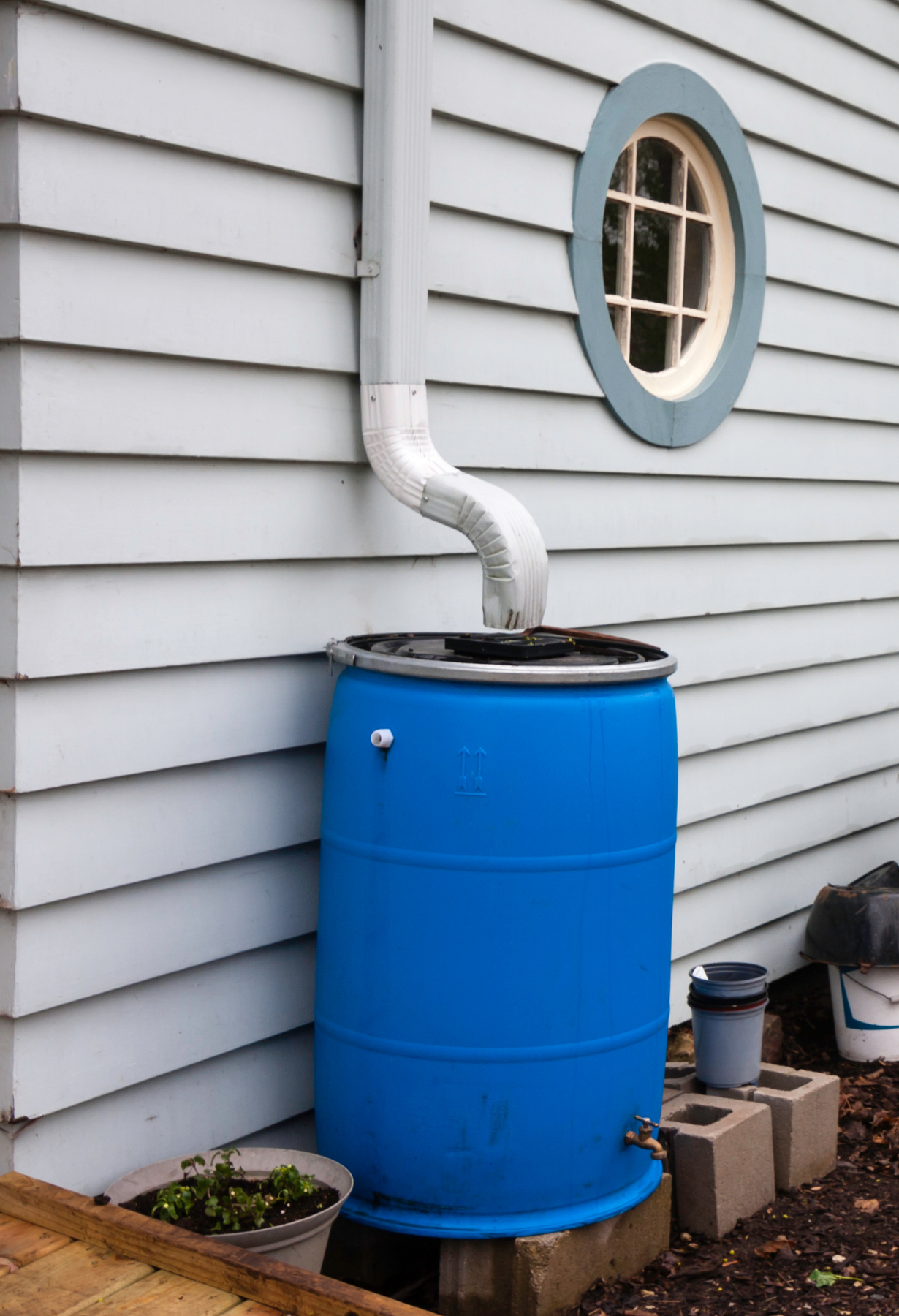
Gutters can be connected to rain barrels by directing a downspout into a covered storage container. Instead of sending every drop onto the ground, the gutter system carries runoff from the roof to a barrel where you can save it for later use. A simple setup can work with your current downspouts, so you may not need to replace an otherwise functional gutter system.
This approach is especially useful around Amarillo, where rain may be limited for stretches and then arrive quickly during a storm. Capturing even part of that runoff gives you a reserve for plants and landscaping while reducing the amount of water released beside your home at once. The barrel still needs a safe overflow route so excess water continues away from the foundation after the container fills.
How Rainwater Collection Helps Protect Your Property
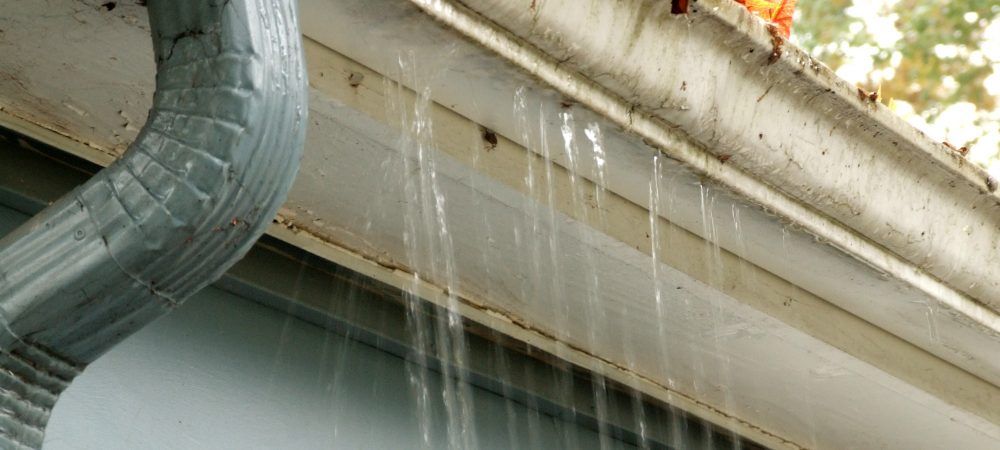
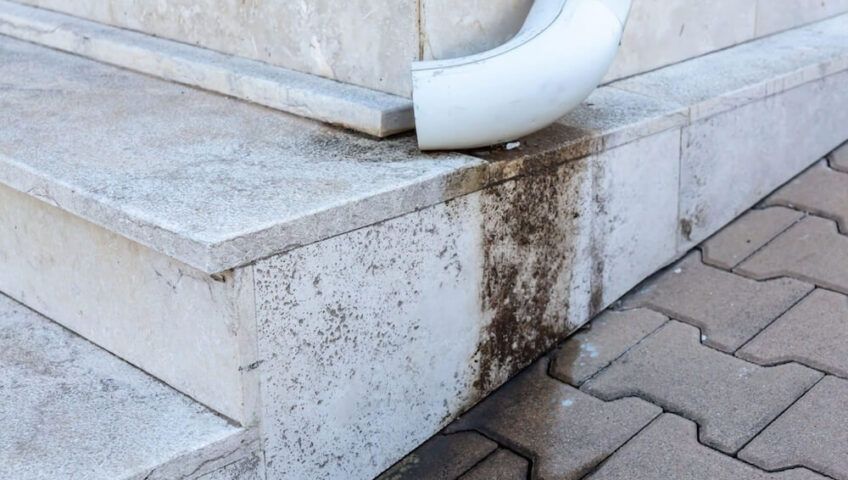
Rainwater collection can help protect your property by slowing the immediate release of roof runoff during a storm. Without controlled drainage, concentrated water from a downspout can wash away mulch, erode soil, create muddy low spots, splash against siding, and collect too close to the foundation. A rain barrel captures part of that flow so you can use the water later instead of releasing it all at once.
A barrel does not replace proper drainage because water will resume flowing once the container is full. The system needs enough storage for your goals, plus a planned overflow route that carries excess water away from the house. When the barrel, diverter, gutters, and overflow path work together, rainwater collection becomes another practical layer of property protection.
How Gutters Move Rainwater Into a Collection Barrel
A rainwater collection system begins with a roof that sheds water into clean, properly pitched gutters. Those gutters carry the flow toward a selected downspout. A downspout connection or diverter then sends part of the runoff into the barrel while helping manage overflow once the barrel reaches capacity.
New Vision Exterior Solutions offers a barrel with a stand that raises the spigot high enough to place a bucket or watering can underneath it. You can also connect a garden hose to the spigot when you need to reach plants farther from the barrel. Because gravity creates the flow, placing the barrel on a stable stand makes the stored water easier to use.
A diverter provides another layer of control by regulating how full the barrel gets and helping prevent water from spilling over the top. Multiple barrels can also be linked when you need more storage. The right setup depends on your available space, the amount of roof feeding that downspout, and how you plan to use the water.
How Much Rainwater Can Your Gutters Collect?
Your collection potential depends mainly on rainfall, roof area, and the efficiency of the system. One inch of rain falling on 1,000 square feet of roof represents about 623 gallons before accounting for water lost to splashing, evaporation, or the roof surface. That means even a modest section of roof can produce much more water than one typical rain barrel can hold.
A simple estimate uses this formula: rainfall in inches multiplied by the roof catchment area in square feet, then multiplied by 0.623. For example, one-half inch of rain on a 500-square-foot roof section represents about 156 gallons before normal collection losses. A single barrel may fill during that event, which is why barrel capacity and overflow planning matter as much as the amount of rainfall.
You do not have to capture runoff from the entire roof. A professional can identify a convenient downspout, estimate how much roof area drains toward it, and help select storage that fits your goals. If one barrel is not enough, linking multiple containers can expand capacity without changing how the gutters collect the water.
Can You Use Collected Rainwater in Your Garden?
Collected rainwater can be used for many outdoor watering needs, including ornamental plants, flower beds, trees, shrubs, and lawns. Rainwater is naturally low in the salts and minerals often found in other water sources, making it useful for landscape plants. A spigot lets you fill a watering can, while a connected hose helps distribute the supply across a larger part of the yard.
Roof runoff should still be treated as non-potable water. It can pick up dust, bird waste, roofing residue, and other contaminants before entering the barrel, so it should not be used for drinking or household cooking. If you plan to use it around edible plants, apply it near the soil rather than directly onto produce and consider your roofing material, barrel cleanliness, and local guidance.
The barrel should remain covered to limit debris and discourage mosquitoes. Using the stored water between storms also restores capacity for the next rainfall. That simple habit turns the barrel into a practical part of your watering routine instead of a container that stays full when another storm arrives.
Planning a Rainwater Collection System for Your Home
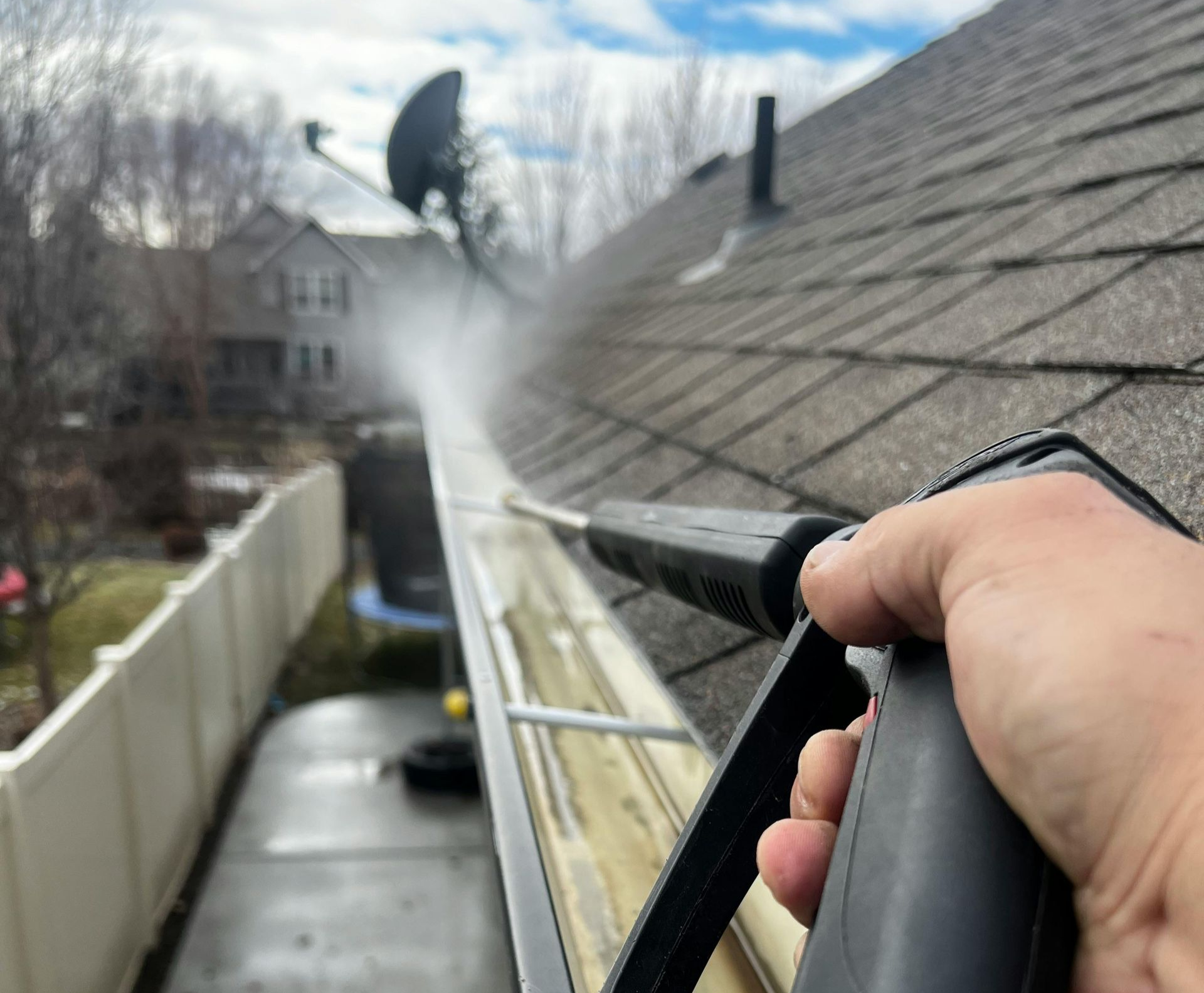
A useful rainwater collection system starts with the right location. The barrel needs a level, stable base near a downspout and enough clearance for the stand, spigot, and hose. Your gutters should also be clear and draining correctly so leaves or built-up debris do not interfere with the flow toward the collection point. Professional gutter cleaning or a gutter inspection may be worthwhile before adding a barrel to a neglected system.
Before choosing a setup, think through a few practical details:
- Which downspout receives useful runoff from the roof
- Where overflow can drain without collecting near the foundation
- How much storage fits the available space
- Whether one barrel or linked barrels better match your watering needs
- How easily you can reach the spigot or attach a garden hose
Homes across Amarillo, Borger, Pampa, and Bushland have different rooflines, yard layouts, and drainage needs. A barrel that works well beside one home may block a walkway or create an overflow problem at another. New Vision Exterior Solutions can evaluate the placement, help you choose a barrel color and design, and determine whether a diverter or multiple-barrel setup makes sense. If the gutters themselves need work, seamless gutter installation can create a more dependable path for moving roof runoff toward the collection point.
Start Collecting Rainwater in Amarillo, TX and the Surrounding Areas
Rainwater collection gives you a practical way to save roof runoff for plants while putting your gutter system to better use. New Vision Exterior Solutions offers barrels, stands, placement guidance, design choices, and diverter options for homes across the Texas Panhandle. As a family-owned company with the owner involved on every job, our team can help you plan a system that fits your home instead of forcing a one-size-fits-all setup. Request a free consultation to start planning your rainwater collection system in Amarillo, Borger, Pampa, and Bushland, TX.