Fall Gutter Checklist for Panhandle Homeowners
How to Prepare Your Gutters for Winter in the Texas Panhandle
A fall gutter checklist should cover cleaning, drainage, leaks, loose hardware, downspout placement, and any damage that could become worse during winter. Completing these checks before colder weather arrives helps your gutter system move rainwater and melting snow away from the roofline, siding, landscaping, and foundation.
Fall maintenance matters in the Texas Panhandle because gutters collect more than leaves. Wind can carry dust, twigs, roofing granules, and other debris into the system. Even a thin layer of buildup can slow drainage or create a blockage near a downspout.
You can identify some gutter problems from the ground, but cleaning and close inspection may require professional help. Avoid climbing onto the roof or using a ladder when conditions are windy, wet, or icy. If your home has multiple stories or difficult rooflines, scheduling gutter service is the safer approach.
1. Remove Leaves, Dust & Roof Debris
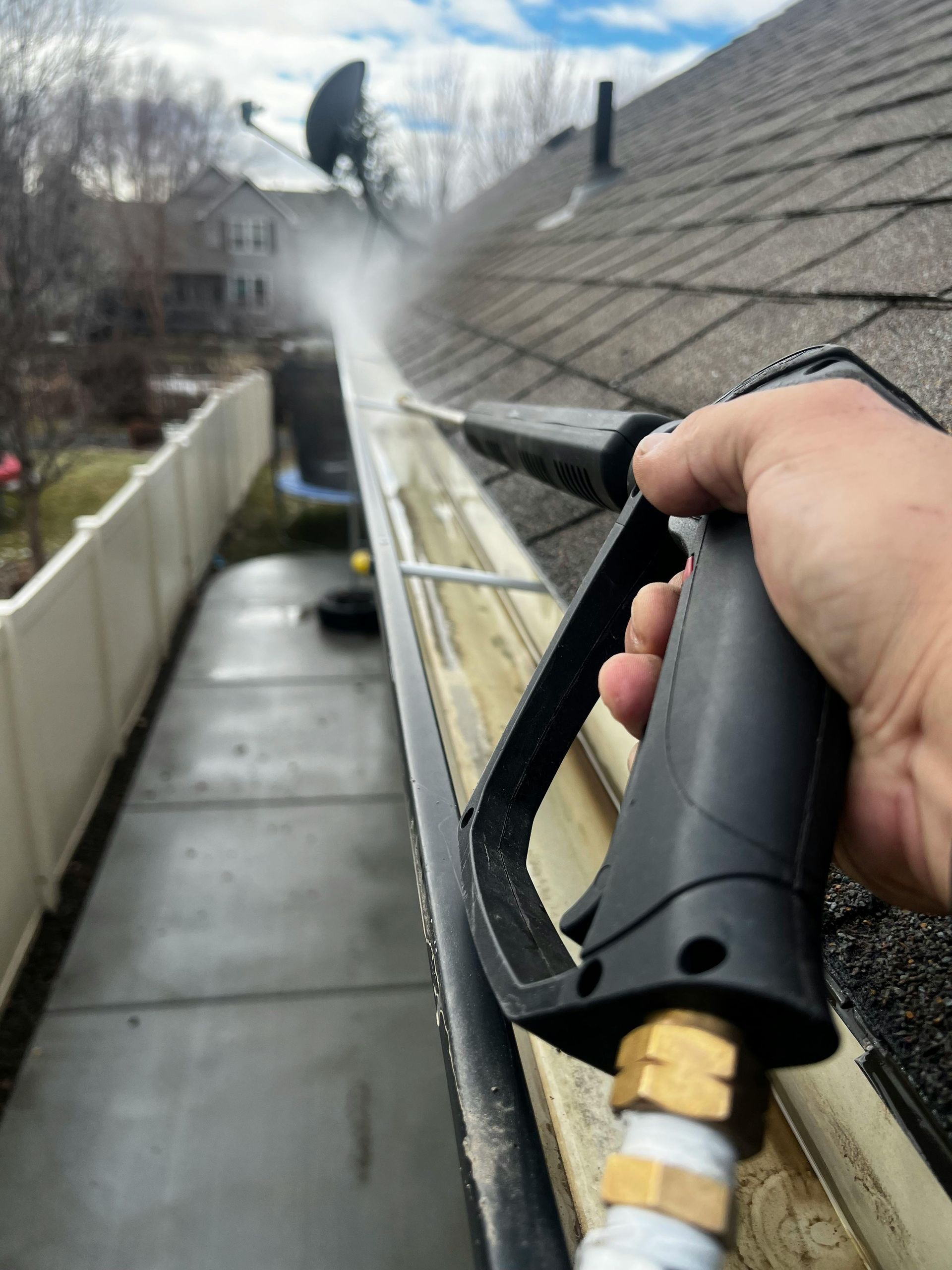
Fall gutter cleaning begins with removing everything that could interrupt water flow. Leaves are an obvious concern, but Panhandle gutters may also contain windblown dirt, small branches, roofing granules, bird nesting material, and debris left behind by earlier storms.
Buildup does not have to fill the entire gutter to cause trouble. Material often collects around outlets, where it restricts the opening into the downspout. Once that happens, water can back up and spill over the edge instead of moving through the drainage system.
Look for signs that cleaning is overdue:
- Plants or weeds growing from the gutter
- Debris visible above the gutter edge
- Water marks on fascia boards or siding
- Staining beneath gutter seams
- Birds or pests spending time near the roofline
- Dirt or roofing granules collecting near downspout openings
- Water spilling over during rain
If you have trees near the house, one early fall cleaning may not be enough. Check the system again after most leaves have fallen so fresh debris does not sit in the gutters through winter.
2. Make Sure Water Reaches Every Downspout
Clear gutters still need the correct slope to drain. Water should travel toward the downspout rather than collecting in low areas. Standing water can indicate that the gutter has sagged, shifted, or was installed without the proper pitch.
You may be able to spot low sections from the ground by looking for visible dips or uneven gutter lines. After rain, watch where water exits the system. A downspout that releases very little water while another one carries a heavy flow may be clogged or connected to a section that is not draining correctly.
If conditions are safe, a controlled flow of water can help reveal slow drainage or leaks. Stop if water immediately backs up, spills behind the gutter, or appears near an unexpected seam. Those problems may require cleaning, adjustment, or repair rather than additional flushing.
Gutter guards should also be checked for surface buildup. Guards reduce the amount of debris that enters the gutter, but they are not maintenance-free. Leaves and dust can collect on top or gather near roof valleys where larger amounts of water enter the system.
3. Inspect Gutters for Loose Sections & Leaks
Fall is a good time to look for gutter damage caused by summer heat, wind, hail, or heavy rain. Pay attention to sections that sag, pull away from the fascia, or appear lower than the rest of the system. Loose hangers and fasteners can allow the gutter to shift under the weight of water or winter buildup.
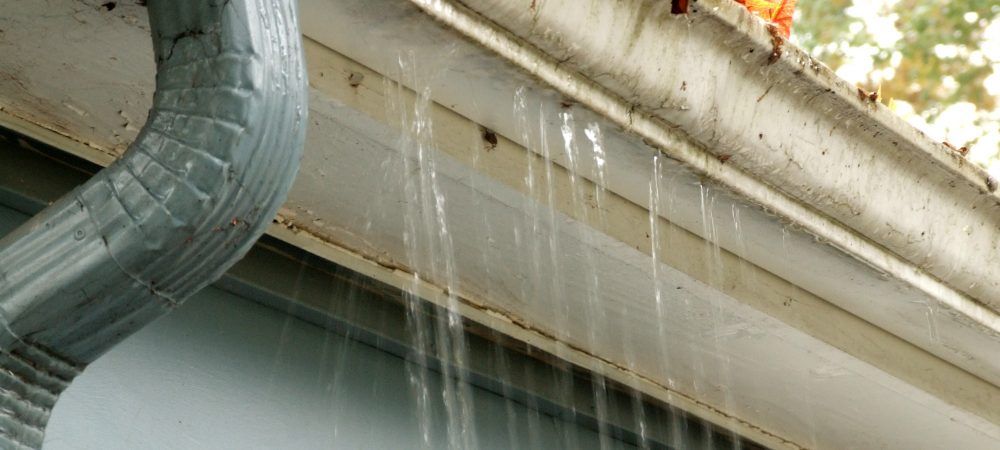
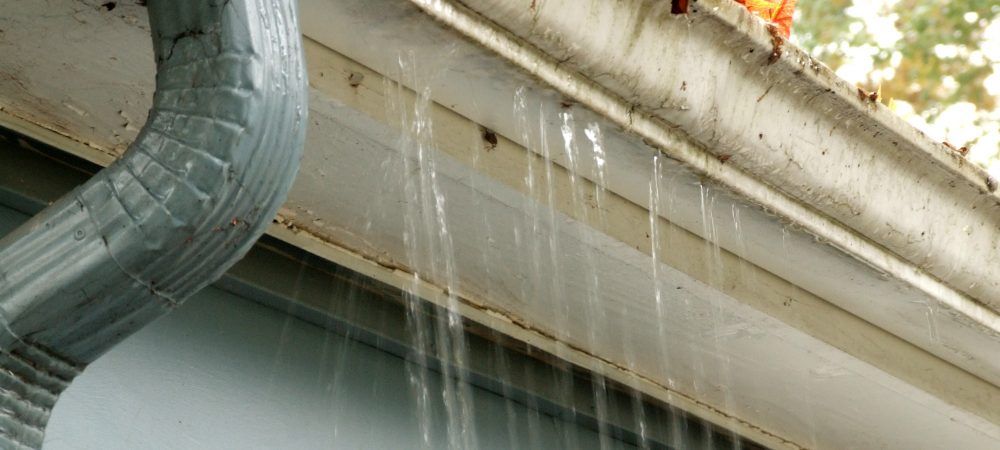
Leaks may appear around seams, end caps, corners, or downspout connections. Rust, peeling paint, water streaks, and damp fascia can all point to a recurring problem. A small drip may seem minor during light rain but release much more water during a fast-moving Panhandle storm.
Also check for dents or crushed sections that narrow the channel. Damage can reduce capacity even when the gutter remains attached. Water may slow down behind the damaged area and overflow before reaching the downspout.
Some isolated problems can be repaired by replacing fasteners, resealing connections, or correcting a short damaged section. Widespread sagging, repeated leaks, corrosion, or gutters that no longer fit the roofline may indicate that replacement is the better long-term solution. A professional inspection can help you avoid spending money on temporary fixes when the system has reached the end of its useful life.
4. Check Downspout Discharge Around the Foundation
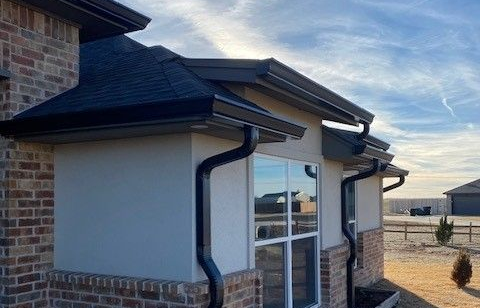
Downspouts should carry water away from the house instead of releasing it directly beside the foundation. Walk around your property and look for disconnected extensions, crushed lower sections, erosion, or low spots where water collects.
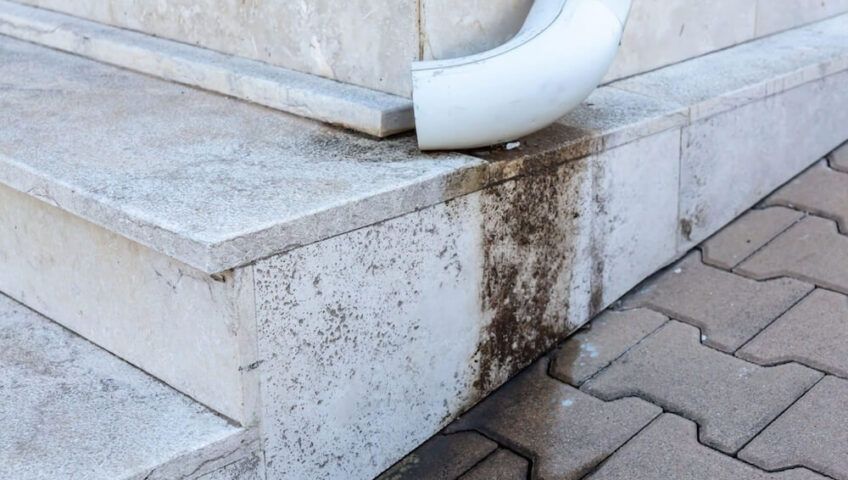
Soil that has washed away beneath a downspout suggests that water is leaving the system with too much force or landing in the wrong place. On the other hand, standing water near the outlet may mean the discharge area does not drain well. Both conditions can leave moisture concentrated close to the home.
Check landscaping around each downspout as well. Mulch, soil, plants, or stored items can shift and block an extension. Make sure the outlet has a clear path and is not pointed toward a walkway, neighboring property, or an area where water can flow back toward the house.
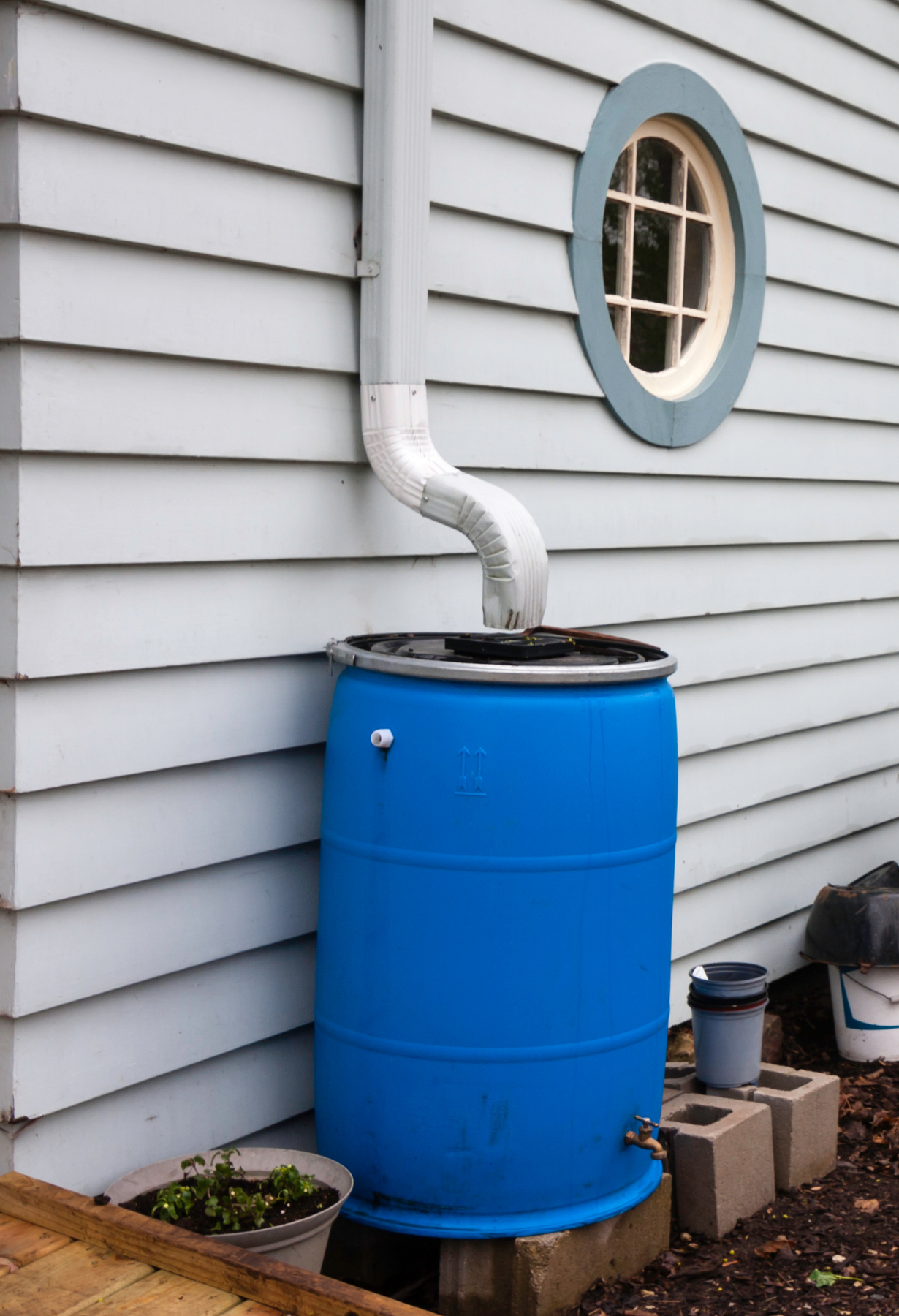
If you use a rain barrel or another rainwater collection setup, inspect its connection before winter. Remove debris from the inlet, check for leaks, and follow the system manufacturer’s instructions for cold-weather use or storage. Do not assume every barrel, diverter, or hose can remain full during freezing conditions.
5. Decide Whether Gutter Guards Would Help
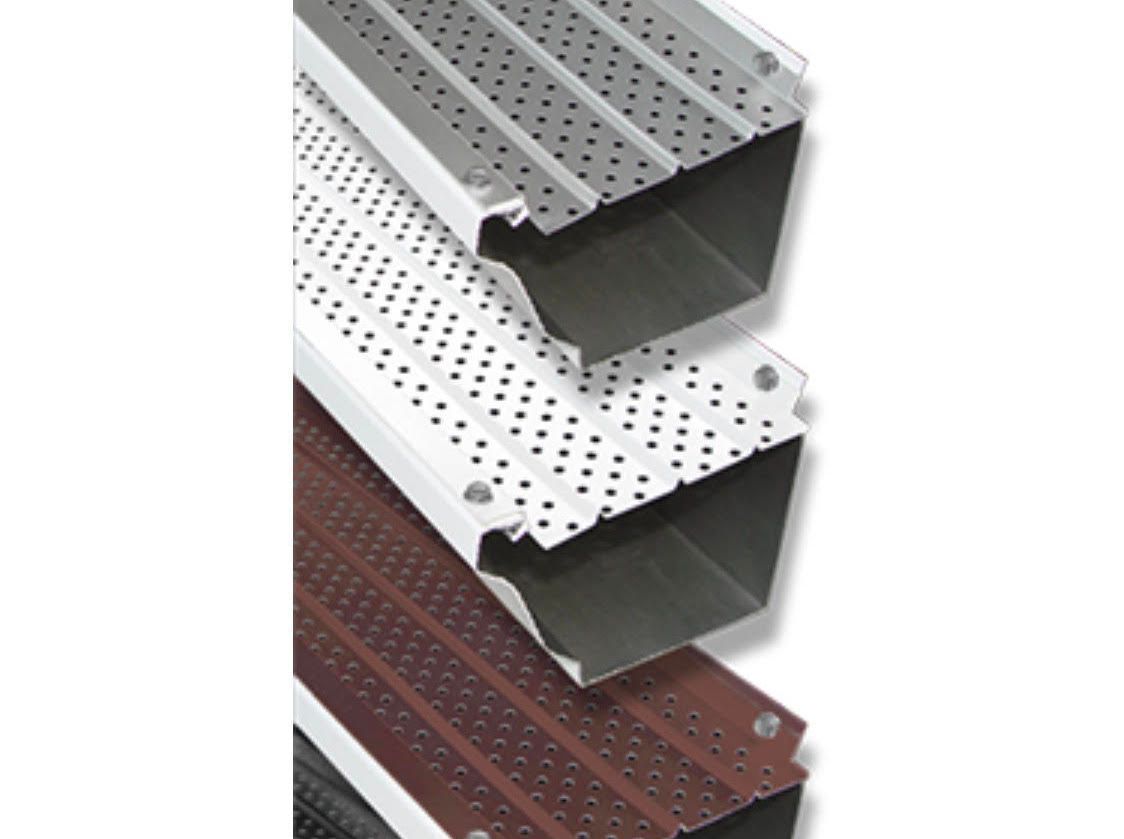
Gutter guards may be worth considering when recurring debris makes cleaning difficult or frequent. A suitable guard can reduce the amount of leaves, twigs, and larger material entering the gutter while still allowing water to pass through.
The best option depends on the roof, surrounding trees, existing gutters, and the type of debris your property receives. A system designed mainly for large leaves may still collect fine dust or roofing granules. Proper selection and installation matter because a poorly fitted guard can interfere with drainage or create new maintenance problems.
Fall is a useful time to evaluate gutter protection because you can see where debris collects and which sections clog first. If one roof valley consistently sends leaves and water into the same short section, that area may need more than a generic cover. It may require a different guard design, drainage adjustment, or repair.
Even with gutter guards, include visual checks in your seasonal maintenance routine. Surface debris, storm damage, and shifted components can still affect performance. Guards should make gutter care easier, not eliminate inspections altogether.
Get Your Gutters Ready for Fall in Amarillo, TX & the Surrounding Areas
New Vision Exterior Solutions provides gutter cleaning, inspections, repairs, gutter guards, and seamless gutter installation throughout the Texas Panhandle. If you are in Amarillo, Borger, Pampa, or Bushland, our family-owned team can evaluate your gutter system and explain what it needs before winter weather arrives.
With the owner on every job, you receive hands-on attention to drainage, workmanship, and the finished appearance of your home. Contact New Vision Exterior Solutions to request a free quote for fall gutter service in Amarillo, TX, or a surrounding Panhandle community.